Five Business Ideas Students Can Test at School
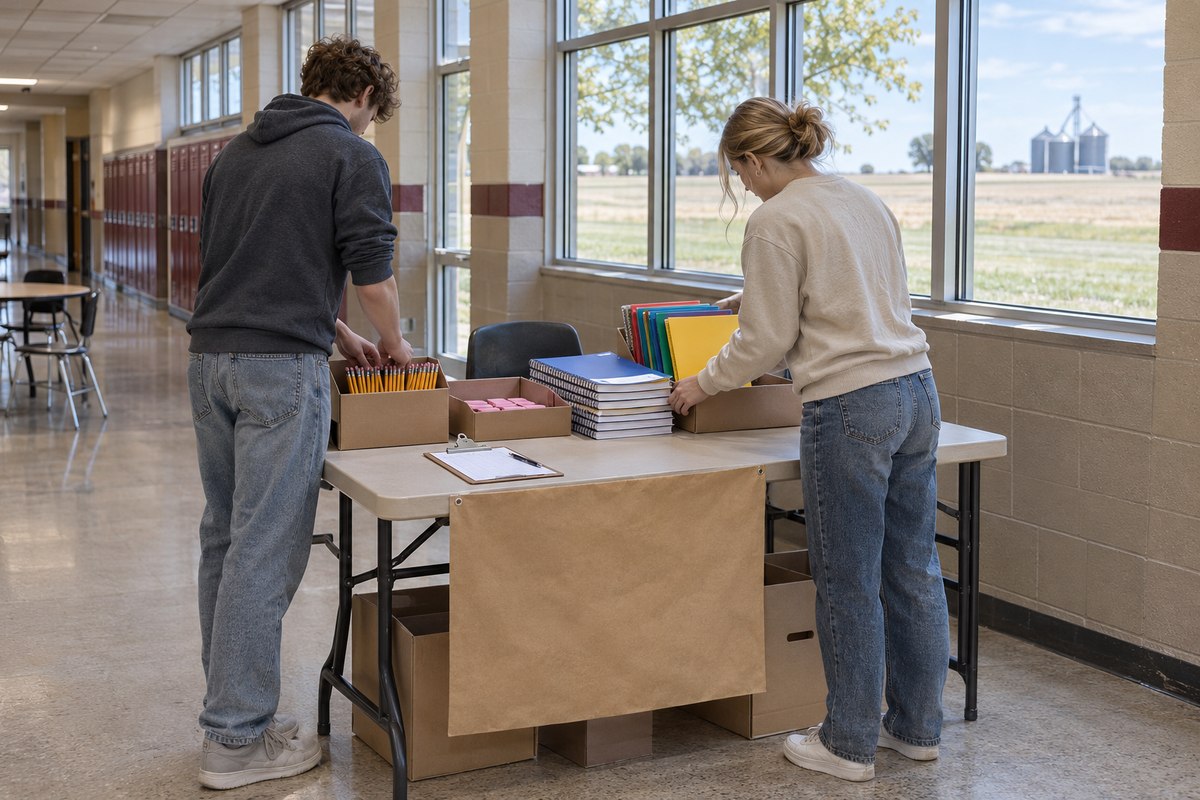
A student who needs a folder before class has a problem a school supply cart can solve in minutes. In Cody, Nebraska, Circle C Market grew out of a different local need: a place to buy groceries. Students and community members helped build the store, where students gained hands-on business experience. For a first test, a team can start with a table that opens twice during lunch. The first step is to find a need you can serve on a school day.
For advisors teaching customer segments, a campus supply cart and an adult online casino such as gold spinia illustrate how differently businesses define their audiences. For a school enterprise, that means naming the people who will buy from you and finding out when they need what you offer.
Five school-based business ideas worth a small test
Ask people about a recent purchase or a problem they ran into, then listen for the same answer more than once. A supply cart might make sense if students often borrow pencils before exams. If families already ask where they can order school shirts, a preorder might be easier to run and give you a clearer estimate of demand.
Each idea below has a way to test demand before the team commits to regular sales or a large order.
| Idea | Likely customer | Small first test |
|---|---|---|
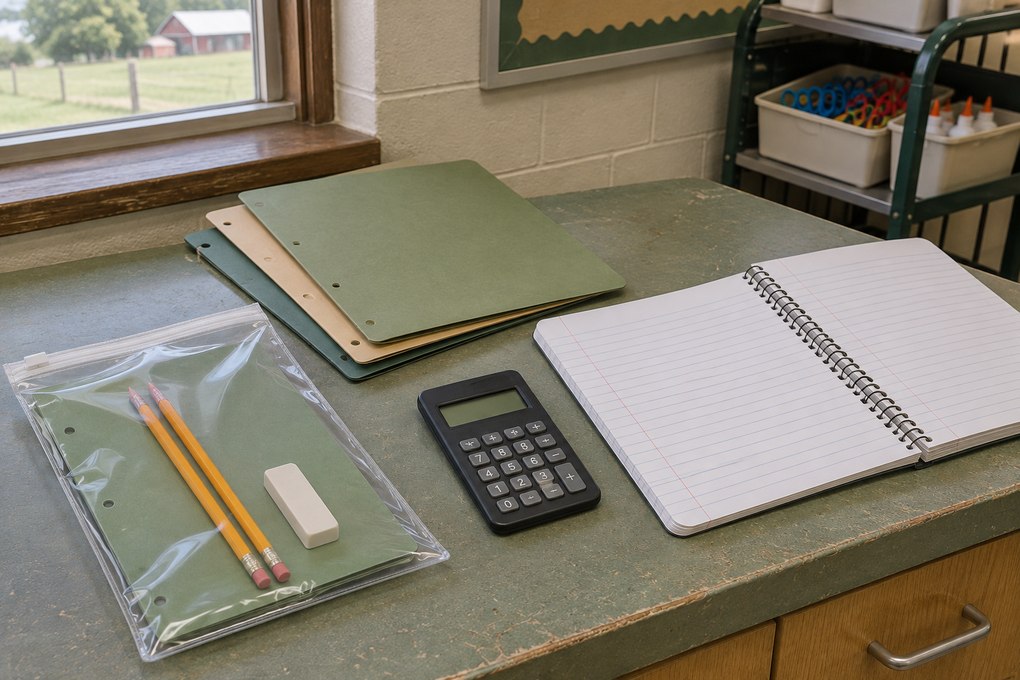
| School supply cart | Students who forgot supplies | Sell a dozen pencil and folder kits during lunch. |
| School spirit wear | Families and school clubs | Take preorders for one design. |
| Printing and posters | Clubs with upcoming events | Give two clubs a quote for the same poster size. |
| Seedling sale | Families and staff who garden | Ask buyers to reserve one variety for spring pickup. |
| Used book pop-up | Families looking for affordable books | Sort donated books and open a table at one event. |
Notice when and where people can buy. A poster service can take requests ahead of an event. A supply cart depends on being open when someone needs a pencil. Pick the idea your team can run reliably with the space and time you already have.
Give your first sale a size and a date. “Twelve kits over two lunch periods” is something a team can prepare for and learn from.
Write a one-page school-based enterprise business plan
Give your plan to someone who missed the planning meeting. They should be able to tell what you are selling, who is buying, and how to run a shift. If everyone can explain the idea but nobody knows who will count the remaining stock, the plan needs one more line.
Write down the choices that matter for the first sale and review them with your school advisor before placing an order.
- Customer and need. Name the buyer and the problem the team can solve.
- Product or service. Specify what comes in one order and the price.
- Sales window. Choose the location, hours, and how people will pay or pick up orders.
- Costs and limits. List supplies, one-time expenses, and the most you can spend on a first batch.
- Team roles. Assign one person to stock, one to sales, and one to the closing count.
- Review date. Agree on when the team will look at the numbers and decide whether to repeat the sale.
Include a backup for the jobs that can stop a sale. If the student who tracks stock is absent, a teammate should know where to find the opening count and how to record the remaining kits. A short handoff note makes it easier to rotate roles after the pilot.
Price the first batch and check break-even
Suppose the first twelve school supply kits cost $1.50 each to assemble and sell for $3 apiece. The team also spends $12 on reusable table signs and storage. This example leaves out any payment fees or other costs. The team should add any expenses that apply to its own sale before setting a price.
| Line item | Amount | How to use it |
|---|---|---|
| Selling price | $3.00 per kit | Amount collected for each sale. |
| Variable cost | $1.50 per kit | Cost of supplies and packaging for one kit. |
| Contribution per sale | $1.50 per kit | Selling price minus the variable cost. |
| Fixed pilot costs | $12.00 | Upfront purchase of signs and storage. |
| Break-even quantity | 8 kits | $12.00 divided by $1.50 per sale. |
Eight sales cover the fixed costs and the cost of the kits sold. If you paid for all twelve kits up front, you spent $30 and need ten sales at $3 to recover that cash. The remaining kits stay in inventory. Keeping these two numbers separate helps the team see how much money is available for the next order.
Run the pilot and decide what to change
Use the same short record at every shift so you can compare what happened. After lunch, count what sold with a teammate and record requests you heard at the table. A handful of students asking for folders on their own may be enough reason to try a small separate supply the next day.
- Record units brought to the table, units sold, and units left.
- Count the money received using the school’s approved process.
- Write down requests for products or sales times you did not offer.
- Note how long setup, sales, and cleanup took.
- Choose one change to test and name who will make it.
Review the notes before ordering more supplies. If sales were slow because the table was hard to find, a better spot may tell you more than a lower price. If the location worked and customers kept asking for single folders, that is a different test.
Change one thing at a time so your team can see what made the next sale go differently.
Start with the idea your team can run on an ordinary school day. Put the customer, the price, and the sales window on one page, then keep the first order small. At the end of the pilot, you should know who came by, what they bought, and what the team can manage next time. Those answers are enough to decide whether the project deserves another week.